Custom Kitchen Design Ideas to Elevate Home Cooking for Aspiring Chefs


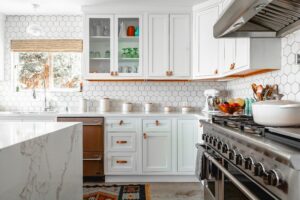
The modern home kitchen has evolved into more than just a place for preparing meals; it has become a creative hub where passion, precision, and innovation meet. For aspiring chefs, a thoughtfully designed kitchen can significantly enhance both performance and enjoyment while also promoting a healthy environment through proper ventilation, natural lighting, and hygienic materials. A customized layout tailored to individual cooking habits not only improves efficiency but also creates an inspiring atmosphere that encourages culinary exploration.
Moreover, a well-planned kitchen contributes to a healthier and more organized home environment. By incorporating functional elements such as ergonomic layouts, easy-to-clean surfaces, and efficient airflow systems, homeowners can create a space that supports both wellness and productivity. As a result, personalized kitchen designs are no longer a luxury—they are an essential investment for anyone serious about elevating their cooking experience.
Optimizing Layout for Maximum Efficiency
To begin with, the layout of a kitchen plays a crucial role in determining how smoothly cooking tasks are executed. The classic work triangle—connecting the stove, sink, and refrigerator—remains a fundamental concept. However, modern custom kitchens take this a step further by adapting the layout to suit individual workflows. This ensures that everything is strategically placed within easy reach, ultimately reducing unnecessary movement and improving efficiency.
In addition, open-concept designs have become increasingly popular for their ability to combine functionality with aesthetic appeal. These layouts create a sense of spaciousness while encouraging interaction among family members and guests. Consequently, the kitchen transforms into a central gathering place where cooking becomes a shared and enjoyable experience, allowing aspiring chefs to stay connected while preparing meals.
High-Quality Materials and Finishes
Equally important, the choice of materials and finishes greatly influences both the durability and visual appeal of a kitchen. Premium countertops such as quartz or granite offer resilience against heat, scratches, and daily wear. Similarly, custom cabinetry crafted from solid wood or high-quality engineered materials ensures long-lasting performance while enhancing the overall elegance of the space.
Furthermore, selecting the right finishes adds depth and personality to the kitchen. Matte finishes create a modern and subtle look, while glossy surfaces reflect light and make the space appear larger. By combining durability with thoughtful design choices, homeowners can achieve a kitchen that not only functions efficiently but also reflects their personal taste and culinary ambition.
Smart Storage Solutions for Organization
Another key aspect of custom kitchen design is efficient storage, which plays a vital role in maintaining organization. Clutter can quickly disrupt workflow, making it essential to incorporate innovative storage solutions such as pull-out shelves, deep drawers, and vertical cabinets. These features maximize available space while keeping kitchen essentials easily accessible.
Additionally, tailored storage options allow homeowners to organize items according to their specific needs. For instance, designated compartments for spices, utensils, and cookware ensure that everything has a proper place. This level of organization not only improves efficiency but also creates a clean and visually pleasing environment that enhances the overall cooking experience.
Advanced Appliances for Modern Cooking
In today’s kitchens, technology has become an integral component of design and functionality. Advanced appliances such as smart ovens, induction cooktops, and energy-efficient refrigerators offer features that simplify and enhance cooking processes. These innovations enable greater precision, allowing aspiring chefs to experiment confidently with a variety of techniques.
Moreover, integrating smart technology provides convenience and control. From programmable cooking settings to remote operation via mobile devices, these appliances streamline daily tasks. As a result, the kitchen becomes a highly efficient and modern space that supports both creativity and productivity in culinary pursuits.
Lighting Design for Ambiance and Functionality
Lighting is often an underestimated element, yet it plays a critical role in both functionality and ambiance. A layered lighting approach—incorporating task, ambient, and accent lighting—ensures that all areas of the kitchen are properly illuminated. Task lighting, such as under-cabinet fixtures, enhances visibility for food preparation, while ambient lighting provides overall brightness.
At the same time, accent lighting adds depth and character to the space. Pendant lights over kitchen islands or dining areas serve as both functional and decorative elements. Therefore, a well-designed lighting plan not only improves efficiency but also creates a warm and inviting atmosphere that enhances the overall cooking experience.
Personal Touches and Aesthetic Appeal
Beyond functionality, a custom kitchen should reflect the personality and lifestyle of its owner. Incorporating personal design elements such as unique color palettes, stylish backsplashes, and decorative hardware adds individuality to the space. These features make the kitchen more than just a workspace—they turn it into a place of inspiration.
In addition, achieving a balance between aesthetics and practicality is essential. While visual appeal enhances the overall environment, functionality ensures long-term usability. By carefully blending both aspects, homeowners can create a kitchen that is both beautiful and highly efficient, making it a joy to cook and spend time in.
Long-Term Value and Future-Proof Design
Finally, investing in a custom kitchen design offers substantial long-term benefits. High-quality materials, efficient layouts, and advanced appliances contribute to the durability and functionality of the space. This not only improves daily living but also increases the overall value of the home, making it a worthwhile investment.
Looking ahead, future-proofing the kitchen with adaptable and flexible features ensures that it remains relevant as needs evolve. Whether incorporating new technologies or adjusting layouts over time, a well-designed kitchen can easily accommodate change. Ultimately, a tailor-made kitchen supports long-term success by combining innovation, comfort, and lasting value.