Designing the Heart of Your Home: A Personalized Guide to the Perfect Kitchen


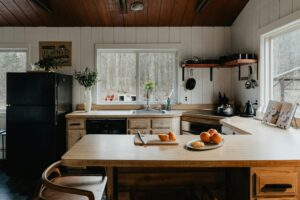
A kitchen is far more than a place to prepare meals. It is where mornings begin with coffee, families gather after long days, and memories are created over shared recipes and conversations. Designing a dream kitchen is about blending beauty, comfort, and function into a space that truly reflects your lifestyle. Custom kitchen design allows you to move beyond generic layouts and cookie-cutter finishes, giving you the freedom to create a culinary haven that feels uniquely yours.
From thoughtful layouts to personalized materials and modern technology, every design choice helps shape how your kitchen looks and works, whether you love hosting dinner parties, experimenting with gourmet recipes, or simply enjoying quiet family meals. A custom kitchen can be tailored to support your daily routines while elevating your home’s overall feel.
Understanding Your Kitchen Vision
Before making any design decisions, it is essential to clarify what your dream kitchen means to you. Some homeowners envision a sleek, modern space with clean lines and minimalist finishes, while others prefer a warm, traditional kitchen filled with natural textures and timeless details. Identifying your preferences early helps guide every choice that follows, from layout to lighting.
Equally important is understanding how you use your kitchen daily. Think about how often you cook, whether you entertain guests, and how many people typically share the space. These considerations ensure that your kitchen is not only visually appealing but also practical and comfortable for everyday living.
Choosing Custom Cabinetry for Style and Storage
Cabinetry plays a central role in defining the look and functionality of your kitchen. Custom cabinets give you complete control over materials, finishes, and configurations, allowing you to maximize storage while maintaining a cohesive design. From floor-to-ceiling cabinets to hidden pull-out drawers, every inch can be optimized to meet your needs.
In addition to storage, cabinets set the tone for your kitchen’s aesthetic. Whether you prefer bold colors, natural wood grains, or classic neutral tones, custom cabinetry helps express your personal style. Thoughtful details such as soft-close hinges and custom hardware add both convenience and elegance to the space.
Selecting Countertops That Balance Beauty and Durability
Countertops are one of the most used surfaces in any kitchen, making durability just as important as appearance. A custom kitchen design lets you choose materials that align with your cooking habits and design preferences. From quartz and granite to marble and butcher block, each option offers unique benefits.
Beyond material choice, custom countertops provide flexibility in thickness, edge profiles, and integrated features such as built-in cutting boards or waterfall edges. These details enhance both functionality and visual appeal, creating a polished look that elevates the entire kitchen.
Incorporating Appliances That Fit Your Lifestyle
Modern kitchens rely heavily on appliances, and custom design ensures they are seamlessly integrated into the overall layout. Built-in refrigerators, wall ovens, and concealed dishwashers create a clean, cohesive appearance while maintaining full functionality. Appliance placement can be tailored to your cooking style, whether you need extra prep space or multiple cooking zones.
Technology also plays an increasingly important role in kitchen appliances. Smart features such as touchless faucets, app-controlled ovens, and energy-efficient systems add convenience and sustainability. Custom planning allows you to incorporate these innovations without disrupting the visual harmony of your kitchen.
Planning a Functional and Flowing Layout
A well-planned layout is the foundation of any successful kitchen design. Custom layouts allow you to move beyond standard configurations and create a space that flows naturally with your habits. The placement of key elements such as the sink, stove, and refrigerator should support efficient movement while reducing unnecessary steps during meal preparation.
Beyond efficiency, layout planning also considers how the kitchen connects to surrounding spaces. Open-concept designs can create a seamless transition between cooking, dining, and living areas, making the kitchen feel more spacious and social. With a custom approach, you can balance openness and privacy to suit your home and lifestyle.
Lighting That Enhances Mood and Function
Lighting is often underestimated, yet it has a powerful impact on how a kitchen feels and functions. A custom lighting plan layers different types of illumination to support various activities. Task lighting under cabinets enhances visibility during food preparation, while ambient lighting creates a warm, inviting atmosphere.
Accent lighting adds depth and highlights architectural features or decorative elements. Pendant lights over islands or dining areas can serve as focal points, blending style with practicality. With thoughtful customization, lighting becomes an integral part of your kitchen’s design story.
Adding Personal Touches Through Materials and Finishes
Custom kitchens shine when personal details are woven into the design. Backsplashes, flooring, and hardware offer opportunities to introduce texture, color, and personality. Whether it is a handcrafted tile backsplash or reclaimed wood flooring, these elements help tell your story.
Finishes also play a role in creating balance and cohesion. Mixing matte and glossy surfaces or combining metals with natural materials can add visual interest without overwhelming the space. Custom design ensures that every detail works together to create a harmonious and inviting environment.
Creating Spaces for Gathering and Entertaining
For many homeowners, the kitchen is a social hub. Custom design lets you create dedicated gathering areas, such as oversized islands with seating or cozy breakfast nooks. These spaces encourage interaction and make the kitchen welcoming for family and guests alike.
Entertaining-friendly features like wine storage, warming drawers, or open shelving for display further enhance the experience. By considering how people move and interact within the kitchen, you can design a space that feels both functional and hospitable.
Prioritizing Comfort and Ergonomics
A dream kitchen should feel comfortable to use, no matter how much time you spend there. Custom design takes ergonomics into account, adjusting counter heights, cabinet placement, and appliance positioning to reduce strain and improve accessibility. These considerations are especially important for households with varying needs.
Comfort also extends to elements like flooring and ventilation. Choosing materials that are easy on the feet and ensuring proper airflow can significantly improve the overall experience. With a custom approach, comfort becomes an integral part of the design rather than an afterthought.
Bringing Your Dream Kitchen to Life
Designing a custom kitchen is a journey that combines creativity, planning, and personal expression. By focusing on your vision, lifestyle, and long-term needs, you can create a space that is both beautiful and functional. Every decision, from layout to finishes, contributes to a kitchen that truly feels like the heart of your home.
A well-designed kitchen enhances daily life and adds lasting value to your property. With thoughtful customization, your culinary haven becomes more than just a room—it becomes a reflection of who you are and how you live.